The underbelly of Paris: Visiting the Paris sewer museum
Take a trip below the streets of Paris to the Musée des Égouts de Paris – the Paris sewer museum – one of the city’s more unusual attractions where you can discover what goes on in the hidden underbelly of Paris.
* This site contains affiliate links, where I get a small commission from purchases at no extra cost to you.
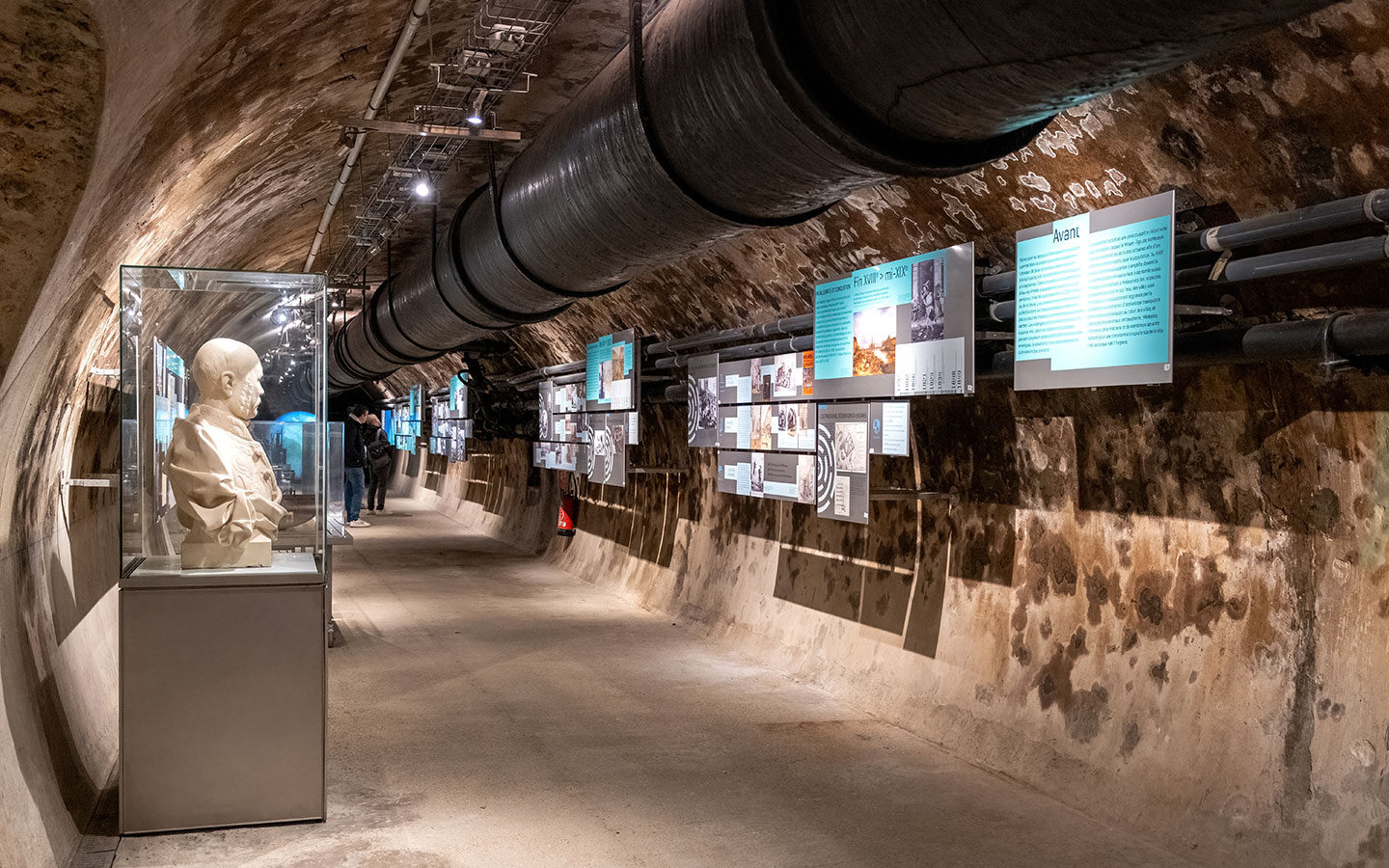
Beneath the streets of Paris is another city, with the same street layout and the same road names, but hidden underground in the city’s 19th-century sewer network. And you can explore this secret world at the Musée des Égouts de Paris (Paris sewer museum).
It might not sound like the most obvious tourist attraction, but visitors have been touring the Paris sewers since the 1860s. And if you’re looking for a quirky alternative to the usual Paris sights, are interested in engineering or a fan of Les Misérables (the sewers were Jean Valjean’s hideout), you might be tempted to head into the underbelly of Paris too.
The history of the Paris sewers
Until the Middle Ages, Parisians got their drinking water from wells or directly from the Seine. And any waste went into cesspits or was discharged into the streets, so it eventually ended up back in the river. But as the city’s population grew, the river got more polluted, and thousands of people were killed in outbreaks of diseases like cholera.
Paris’ first sewer was built in 1370 – before then waste just ran down a channel in the middle of the road. But the early sewers were still open so didn’t do much to help prevent disease. So in the 1800s, as part of Baron Haussman’s redevelopment of Paris, an engineer called Eugène Belgrand was called in to improve the city’s water and waste systems.
Belgrand designed a completely new network of underground tunnels for drinking water, non-drinking water and waste. He also built water treatment plants and aqueducts, and developed clever tools like dredgers and balls to keep the sewers running.
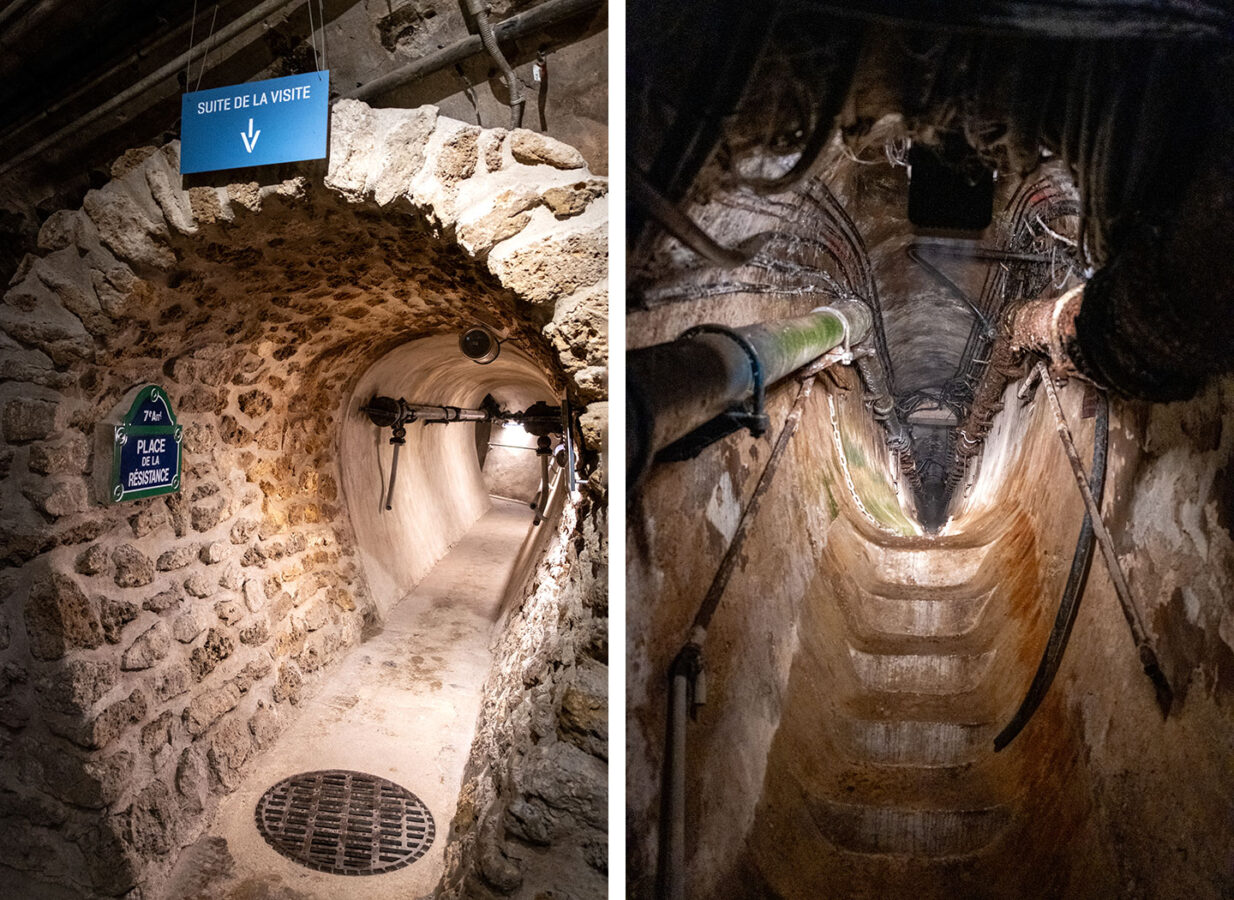
The tunnels ran for over 660km by 1878 and hundreds more kilometres were added over the next few centuries. They form a network below the surface which mirrors the one above ground, so every street has its own sewer complete with a matching street sign.
“Paris has another Paris under herself; a Paris of sewers; which has its streets, its crossings, its squares, its blind alleys, its arteries, and its circulation, which is slime, minus the human form.” Les Misérables
The sewers have always fascinated visitors to Paris, and they were first opened up to tourists during the 1867 Paris Exposition to show off how modern the system was. Back then visitors travelled around the sewers on board a boat or in a dredger wagon, and later they were carried around the tunnels in carriages pulled by a locomotive.
In 1975 the boat tours stopped and the Musée des Égouts de Paris or Paris sewer museum opened – a slightly more sanitary way to see how Paris deals with its waste.
Visiting the Paris sewer museum
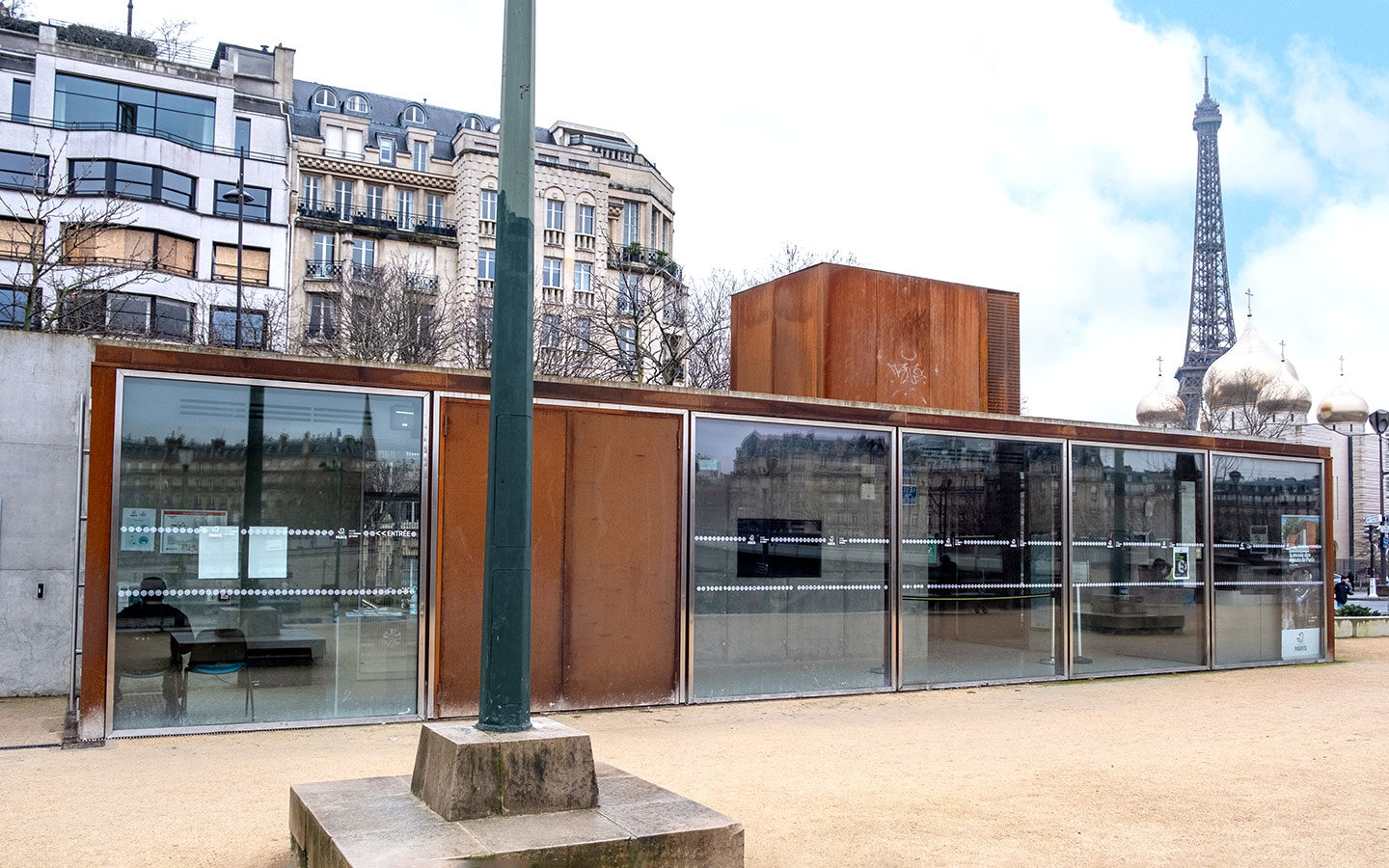
The Musée des Égouts de Paris is on the south bank of the Seine, close to the Eiffel Tower. Most of the museum is underground, so it’s easy to miss, with just a small, rust-red and glass building on the surface. The museum underwent a major refurbishment in 2021 with new exhibits inside and improvements like a lift to make it more accessible.
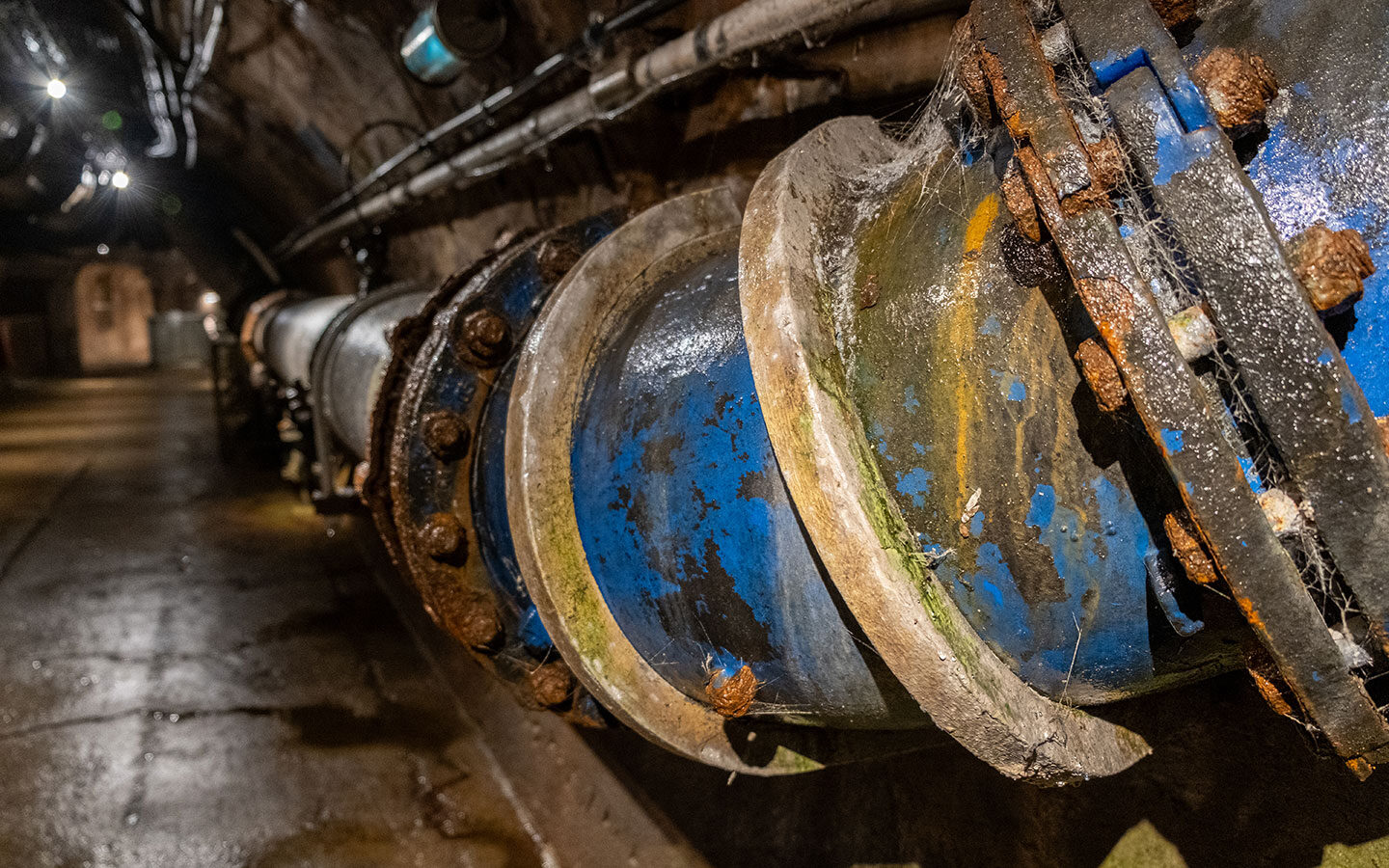
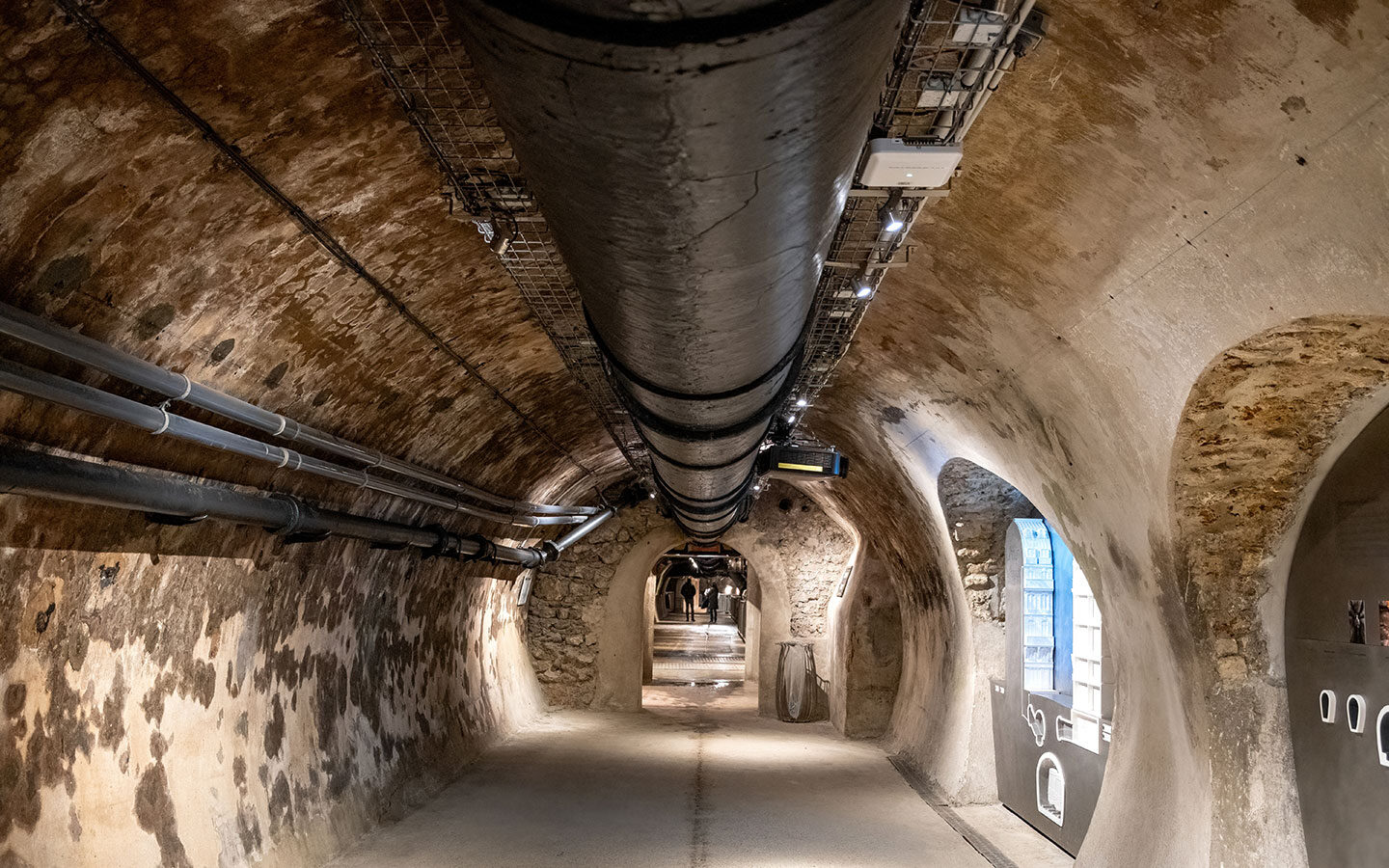
After buying your ticket in the office above ground, you head downstairs to the museum’s underground galleries. A long tunnel runs parallel to the Seine, along what once was the main sewer between the Place de la Concorde and the Pont de l’Alma.
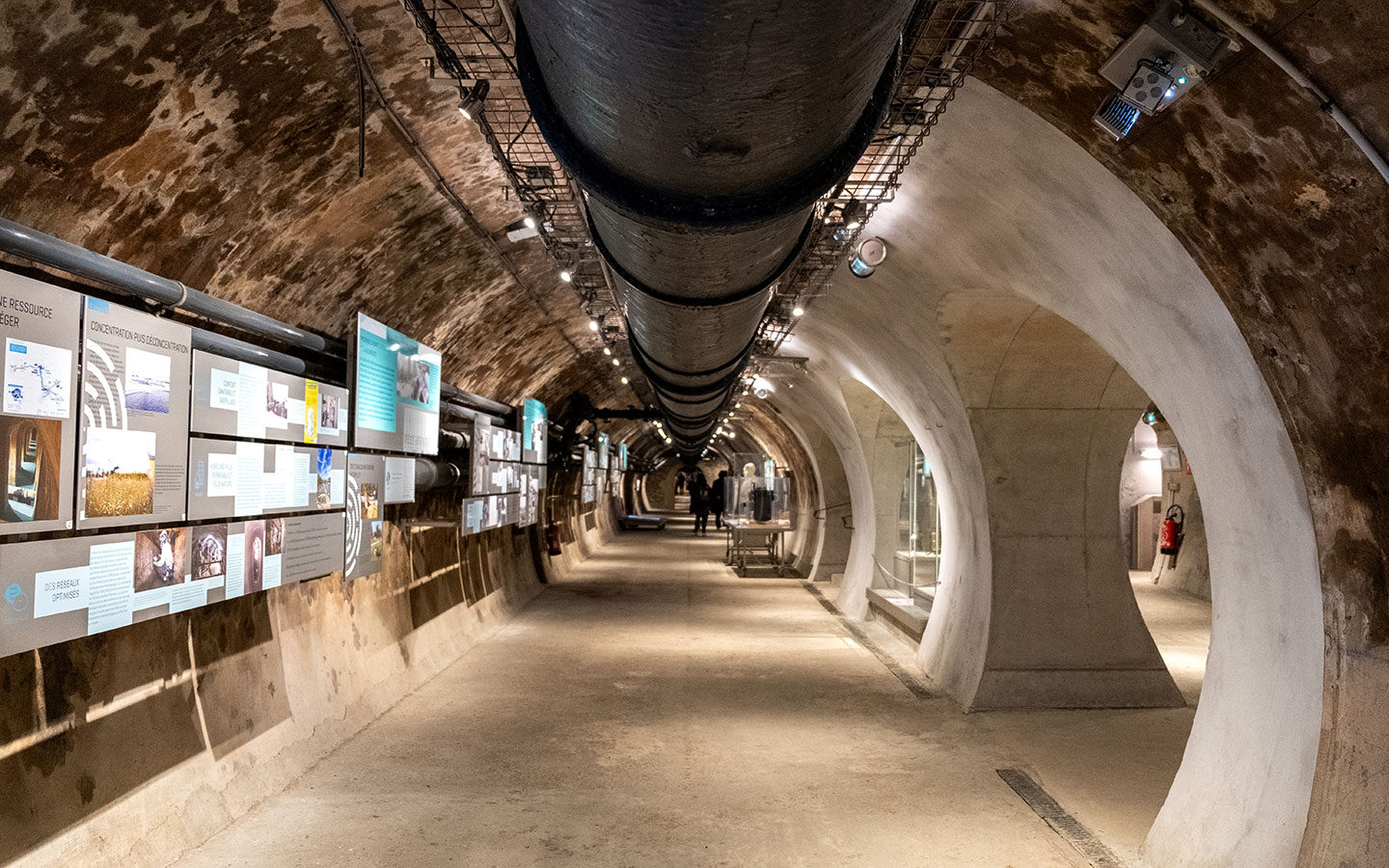
The tour route goes through a series of different galleries, and is self-guided, so you can take as long as you like. The information boards are all in French only but you can pick up an audio guide or access a PDF of information in English by scanning a QR code at the ticket desk. There are also tours led by sewer workers if you speak French.
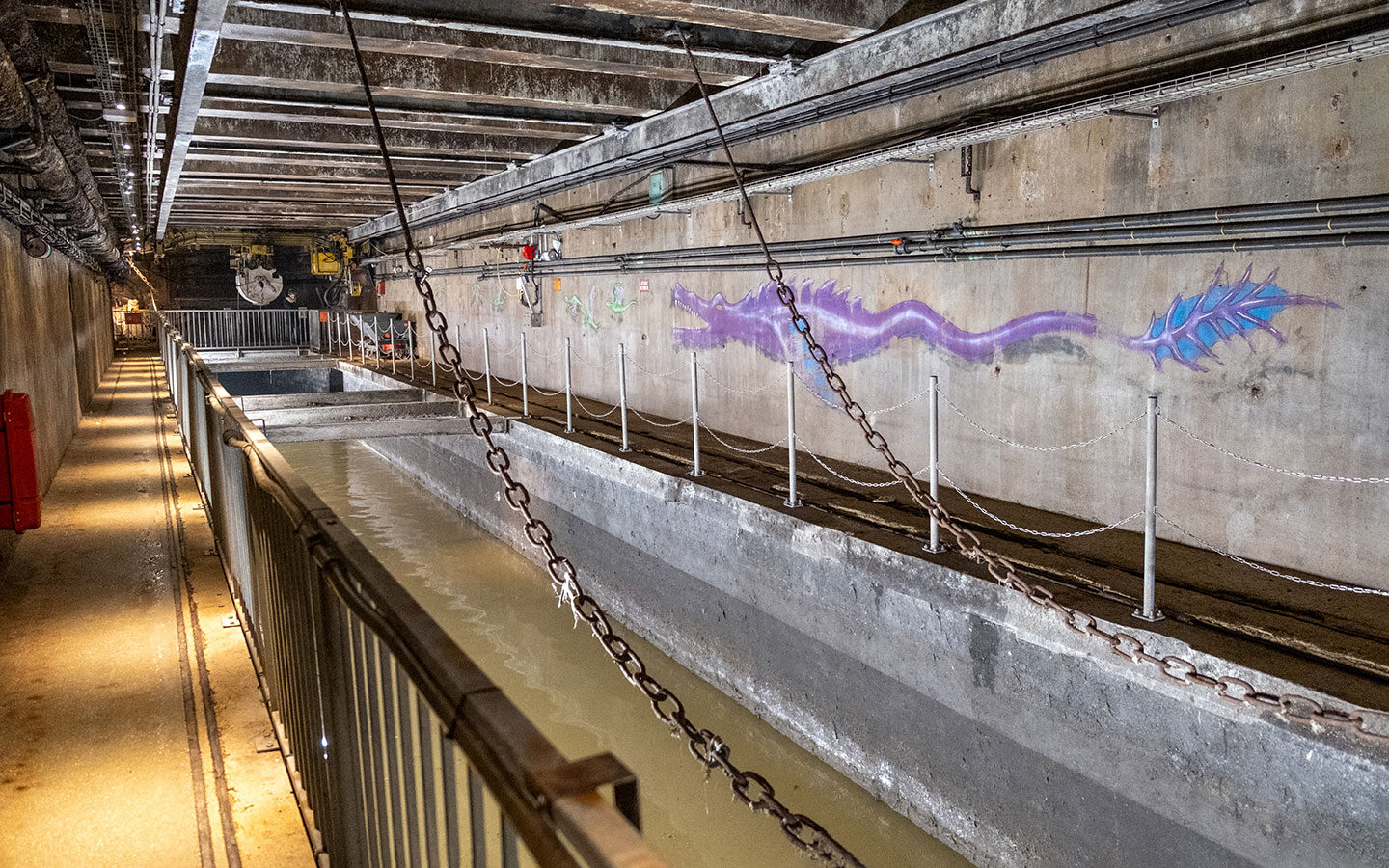
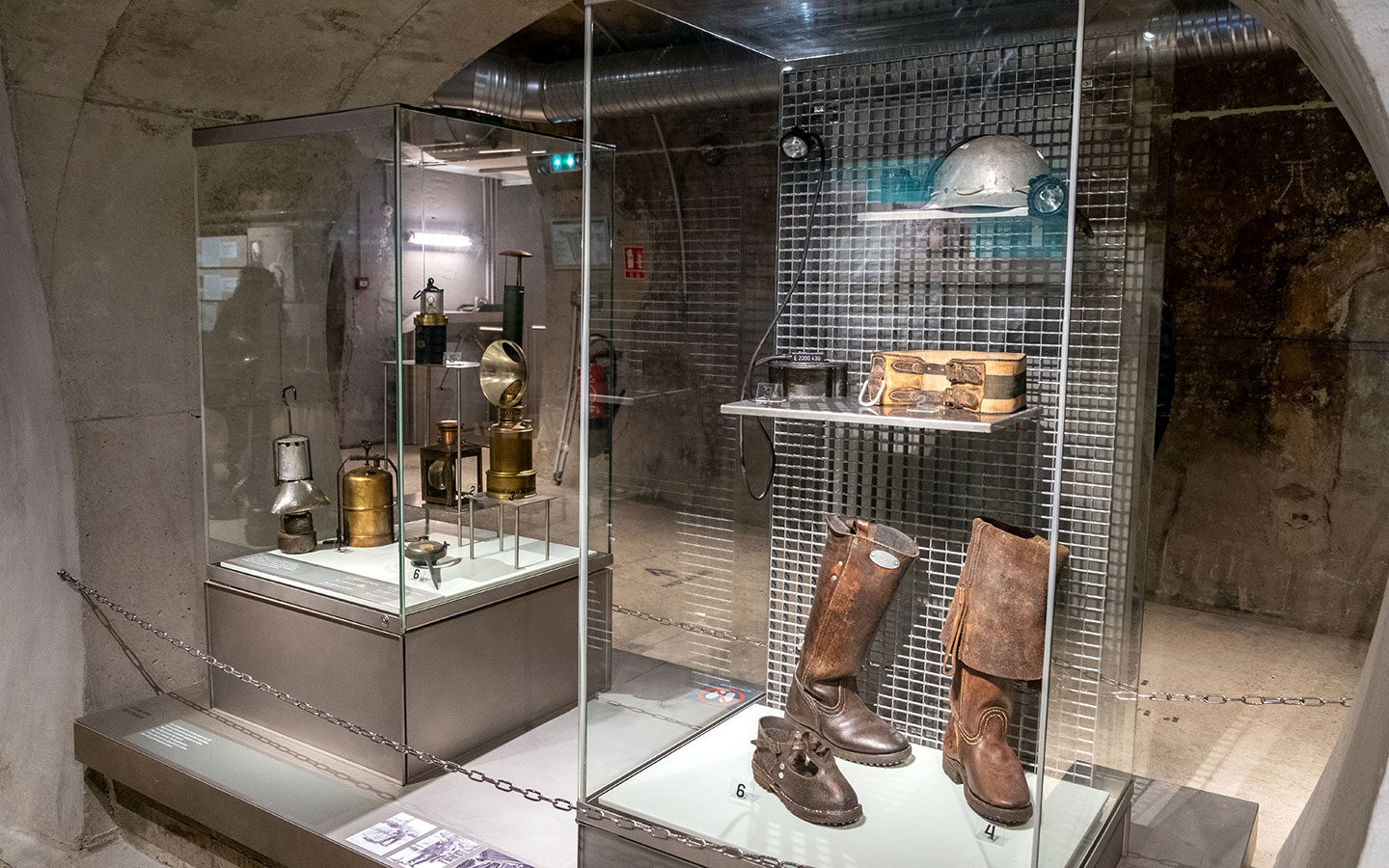
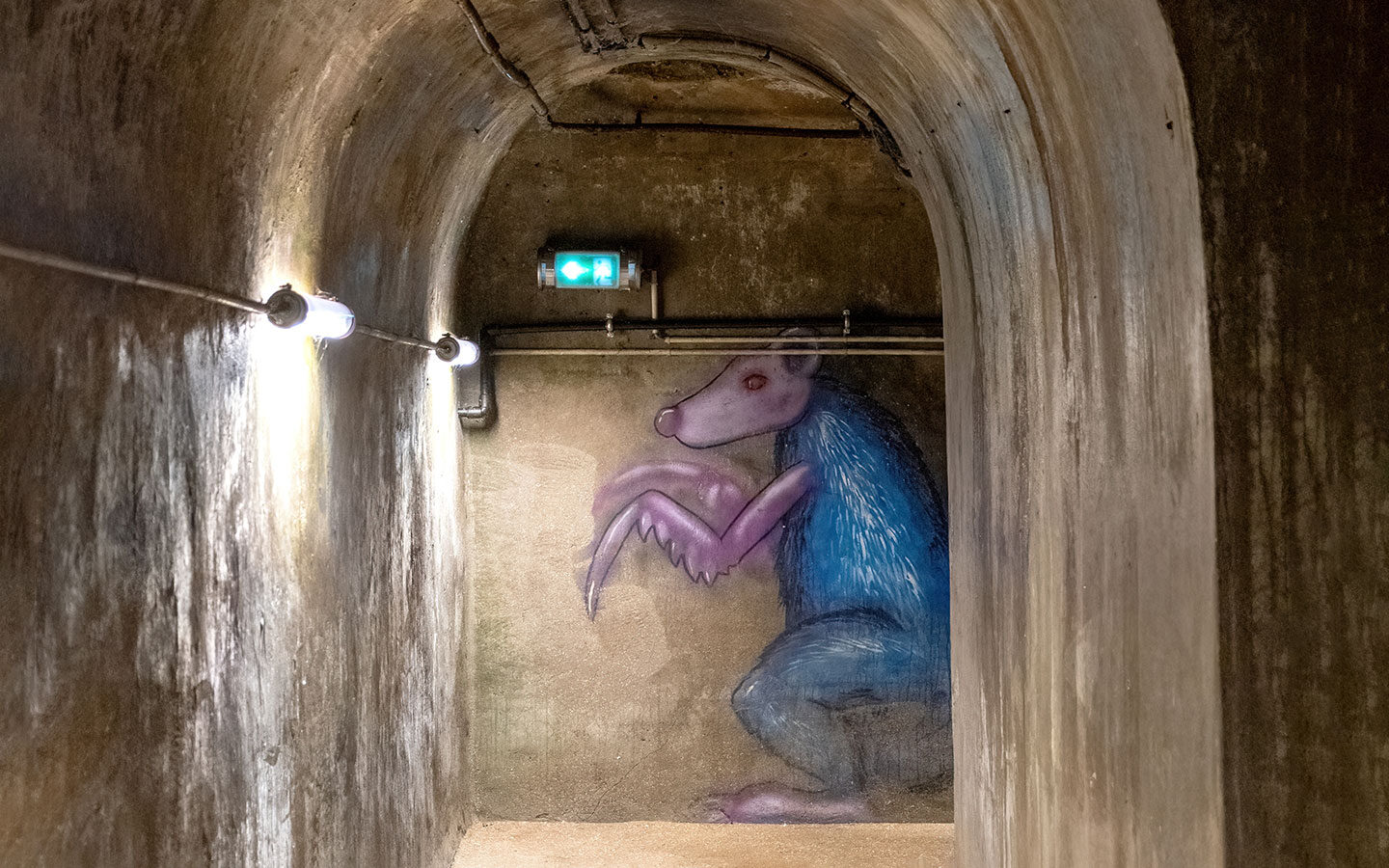
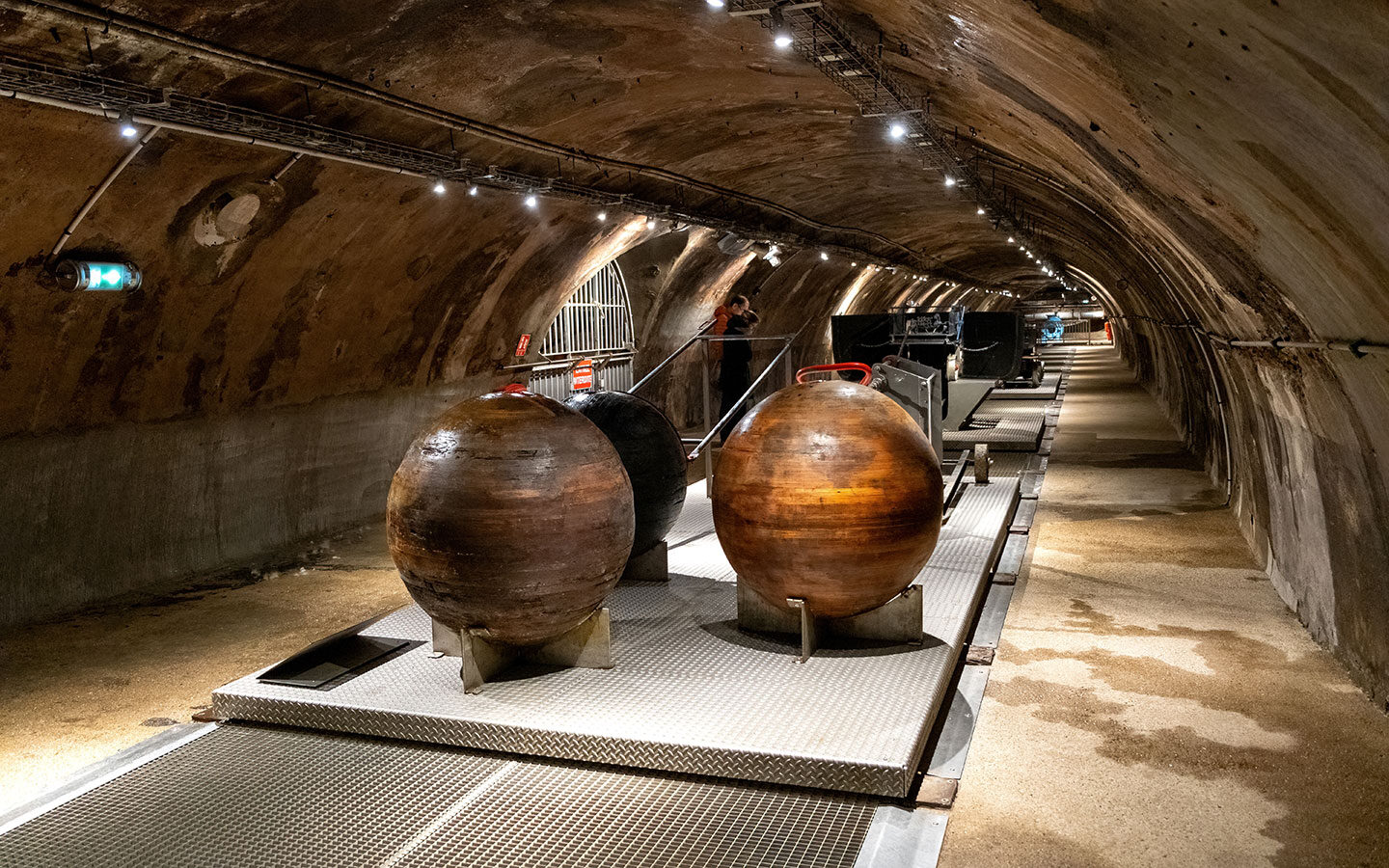
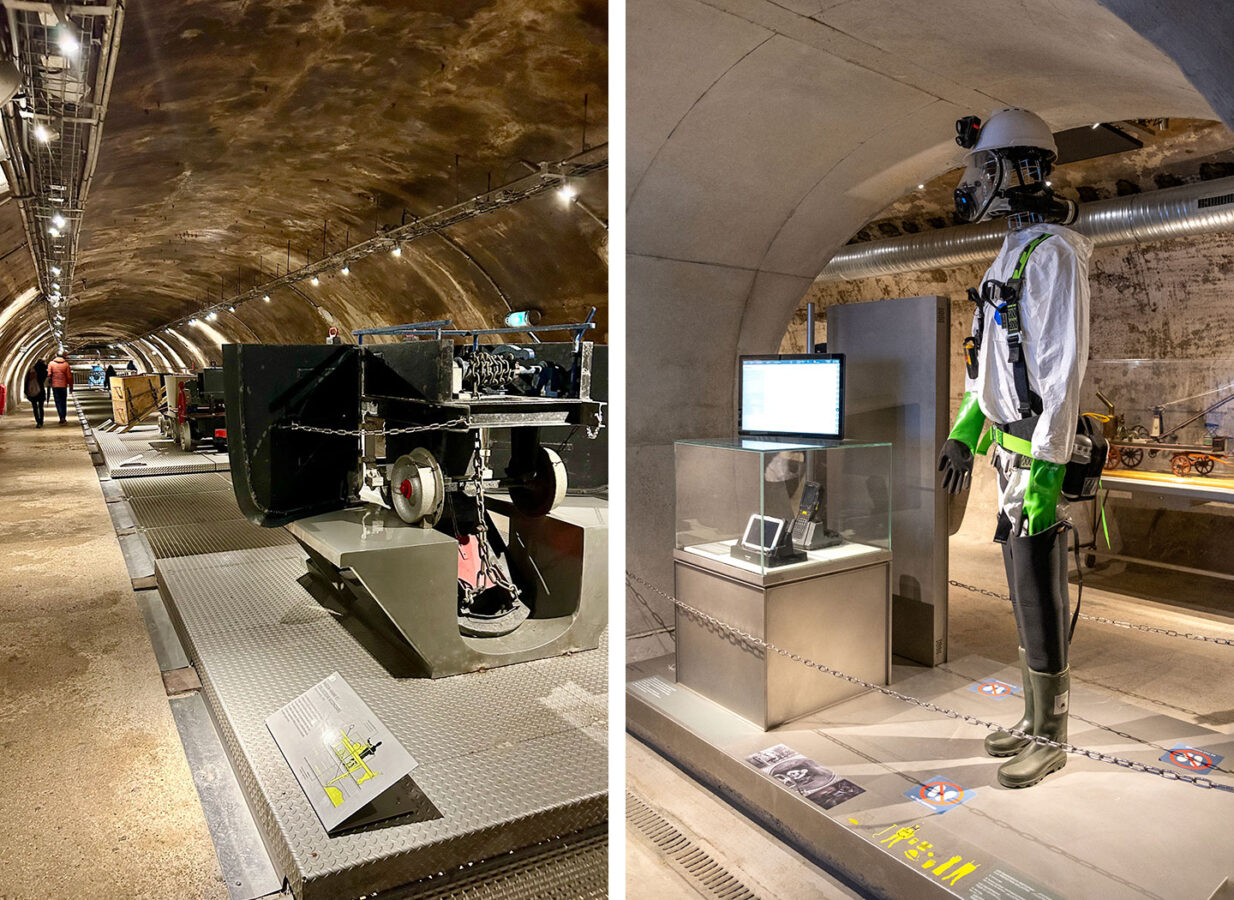
The concrete tunnels are wide and spacious, decorated with a few murals like a giant rat (luckily the only one we spotted). Information boards take you through the history of how the sewers were built. But the most interesting part is the display of equipment used through the years, from dredging machines to giant balls used to clean the tunnels.
Blockages are a big risk to the sewers. So balls were made from wood or metal in different sizes which were sent down the tunnels. Water built up behind them until the pressure was so great that they pushed through the sludge and cleared any blockages.
You can also see what sewer workers do and get an insight into how waste is treated today, with a video and an interactive map showing how the sewer system has grown. A lot of improvements have been made – after hundreds of years of pollution, fish are returning to the Seine and triathletes even swam in it during the 2024 Olympics.
But the big question is how bad does the Paris sewer tour smell? Part of the tour takes you along an active sewer so you definitely pick up some odours, but it’s not unbearable (apparently how strong it is varies depending on how full the sewers are).
Even the museum toilets are educational – with interactive panels showing where the water comes from and goes next. You’re advised not to eat, drink or touch anything while you’re down there, and wash your hands before leaving. And there’s even a gift shop where you can pick up a souvenir of this less glamorous, but vital, side of Parisian life.
The details
Where is the Paris sewer museum?
The Musée des Égouts de Paris is on the south bank of the Seine at Place Habib Bourguiba, next to the Pont de l’Alma. The nearest Métro station is Alma-Marceau (Line 9), on the other side of the bridge. Or Pont de l’Alma RER station (Line C) is even closer.
How much does it cost to visit?
Entry costs €9 for adults/€7 for over 65s, or is free for under 18s and EU residents under 26. You can book tickets online in advance but you don’t normally need to as it’s not too busy. The tour is self-guided and takes around an hour. There are audio guides available in French, English and Spanish. Or you can scan a QR code to access online information.
When is the Paris sewer museum open?
The museum is open Tuesday to Sunday 10am–5pm, with last admission at 4pm. It’s closed for the first two weeks in January, as well as on 1 May and 25 December. And can sometimes close if there’s been very heavy rain and the water level is too high.
What else is there to do nearby?
There are lots of places to visit near the Musée des Égouts. The Musée du Quai Branly anthropology museum is just a few minutes’ walk along the Seine. And if you continue on along the river you’ll reach the Eiffel Tower in 15 minutes. There’s also a quay in front of the tower where you can pick up a Batobus or join a Bateaux Mouches boat tour.
Or cross the Pont de l’Alma to visit the Musée d’Art Moderne or Musée Yves Saint Laurent. You can also walk to the Champs-Élysées or Tuileries gardens within 20 minutes.
Save for later